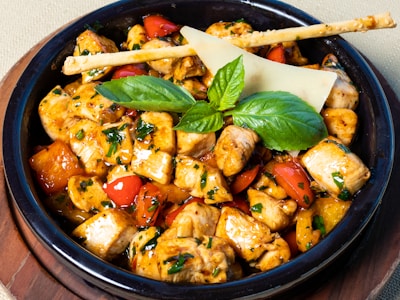
Tempeh
Serving size: 3 oz (85g)
Allergens: soy
Why Eat Tempeh?
Tempeh is fermented whole soybeans, making it more nutrient-dense and digestible than tofu. The fermentation process increases B vitamin availability and creates beneficial probiotics. It provides excellent protein, fiber, and minerals in a firm, sliceable form.
At a Glance
Nutrient Fingerprint
Tempeh's top nutrients as % Daily Value (capped at 100%)
Source: USDA FoodData Central · FDA Daily Values
How It Compares
Tryptophan (% DV) vs similar Proteins
Source: USDA FoodData Central · FDA Daily Values
Nutrient Absorption Tips
Vitamin C dramatically increases iron absorption
Pro tip: Squeeze lemon on your lentils or pair spinach with bell peppers
Learn moreVitamin D helps your body absorb calcium
Pro tip: Salmon + leafy greens covers both synergistically
Learn moreFolate and B12 work together for red blood cell formation
Pro tip: Lentils (folate) + eggs (B12) make a complete pair
Learn moreMagnesium is required to activate vitamin D
Pro tip: Pumpkin seeds + salmon = activation combo
Learn moreHigh fiber can reduce zinc absorption — balance intake
Pro tip: Space high-fiber and zinc-rich meals apart if possible
Learn moreVitamin K directs calcium into bones, not arteries
Pro tip: Kale covers both — or pair leafy greens with dairy
Learn moreZinc helps transport vitamin A from the liver
Pro tip: Sweet potato + pumpkin seeds covers both nutrients
Learn moreCopper is essential for iron metabolism and red blood cell formation
Pro tip: Liver and shellfish provide both — or pair cashews with lentils
Learn morePhosphorus and calcium work together for bone mineralization
Pro tip: Dairy naturally provides both in ideal ratios
Learn moreHigh zinc intake can reduce copper absorption — balance both
Pro tip: Vary your protein sources between shellfish, nuts, and seeds
Learn moreB6, B12, and folate drive the methylation cycle for DNA repair and homocysteine clearance
Pro tip: Salmon covers B6 and B12 — add lentils for folate to complete the trio
Learn moreLeucine triggers muscle protein synthesis — pair with complete protein for full effect
Pro tip: Chicken breast or eggs provide both protein and leucine together
Learn moreNutrient Profile
Showing all tracked nutrients in Tempeh per serving (3 oz (85g)), grouped by category.
20 mcg per serving
0.07 mcg per serving
Some nutrients (iodine, omega-3 from plant sources) have limited USDA data and may not appear above even if present in this food.
How to Eat Tempeh
Storage & Selection Tips
How to Select
Fresh tempeh should be firm with a white mycelium coating. Some black or gray spots are normal (part of the fermentation). Avoid tempeh with pink, yellow, or blue mold.
How to Store
Keep refrigerated in its original packaging or tightly wrapped. Tempeh can also be frozen for longer storage.
Shelf Life
Fresh tempeh lasts 7-10 days refrigerated. Frozen tempeh keeps 6-12 months. Opened tempeh should be used within 5-7 days.
Practicality Ratings
How easy to prepare and use
How easy to find in stores
How many meal types it fits
Frequently Asked Questions
Tempeh Appears in These Nutrient Guides
Magnesium
16% DV per serving
Iron
13% DV per serving
Calcium
7% DV per serving
Zinc
9% DV per serving
Folate
5% DV per serving
Vitamin B12
3% DV per serving
Potassium
7% DV per serving
Manganese
48% DV per serving
Phosphorus
18% DV per serving
Copper
56% DV per serving
Thiamin (Vitamin B1)
8% DV per serving
Riboflavin (Vitamin B2)
23% DV per serving
Niacin (Vitamin B3)
14% DV per serving
Pantothenic Acid (Vitamin B5)
4% DV per serving
Vitamin B6
12% DV per serving
Protein
35% DV per serving
Leucine
44% DV per serving
Isoleucine
50% DV per serving
Valine
44% DV per serving
Tryptophan
59% DV per serving
Lysine
38% DV per serving
Similar Foods (Proteins)
Compare Tempeh
See how Tempeh stacks up against another food, nutrient by nutrient.
Tempeh Supports These Goals
Replace Your Supplements
See how Tempeh fits into a complete whole-food nutrition plan. Our free tool builds a personalized food stack based on your supplement goals.
Try the Supplement Replacer ToolDisclaimer: Nutrient values are approximate and based on USDA FoodData Central. Actual values may vary by source, preparation method, and brand. Not medical advice.